
A strong portfolio is often the first thing recruiters, mentors, and hiring managers review when evaluating aspiring game artists. Regardless of your specialization—Character Art, Vehicle Art, Environment Art, or Hair Art—your portfolio serves as proof of your skills, creative thinking, and production understanding.
Many talented artists struggle to stand out because they focus on quantity instead of quality. Building an effective portfolio requires strategic project selection, professional presentation, and a clear understanding of industry expectations.
Why Your Portfolio Matters
In the gaming industry, portfolios often carry more weight than resumes. Recruiters want to see practical skills, artistic ability, technical knowledge, and evidence that an artist can contribute to real production environments.
A well-structured portfolio demonstrates:
- Artistic fundamentals
- Technical proficiency
- Problem-solving abilities
- Understanding of production workflows
- Attention to detail
Your portfolio should immediately communicate who you are, what you specialize in, and the value you can bring to a team.
Choose A Clear Specialization
One of the most common mistakes beginners make is trying to showcase everything at once. nstead of displaying character art, vehicles, environments, weapons, animation, and concept art together, focus on a specialization that aligns with your career goals.
Popular specializations include:
Character Art
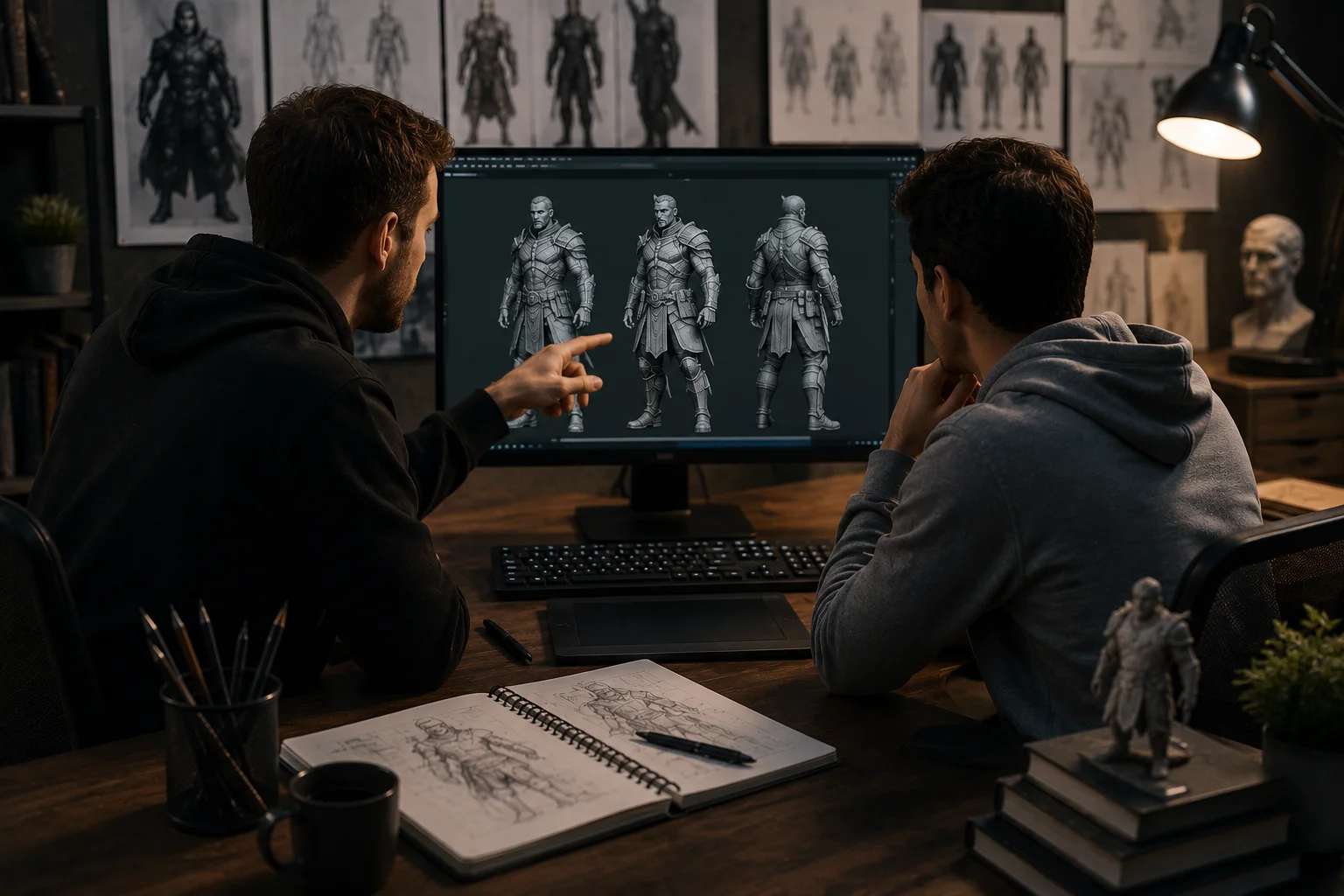
Focus on anatomy, sculpting, clothing, materials, and storytelling through character design.
Environment Art
Craft immersive worlds through composition, lighting, modular assets, and environmental storytelling that enhance depth, atmosphere, and engagement.
Vehicle Art
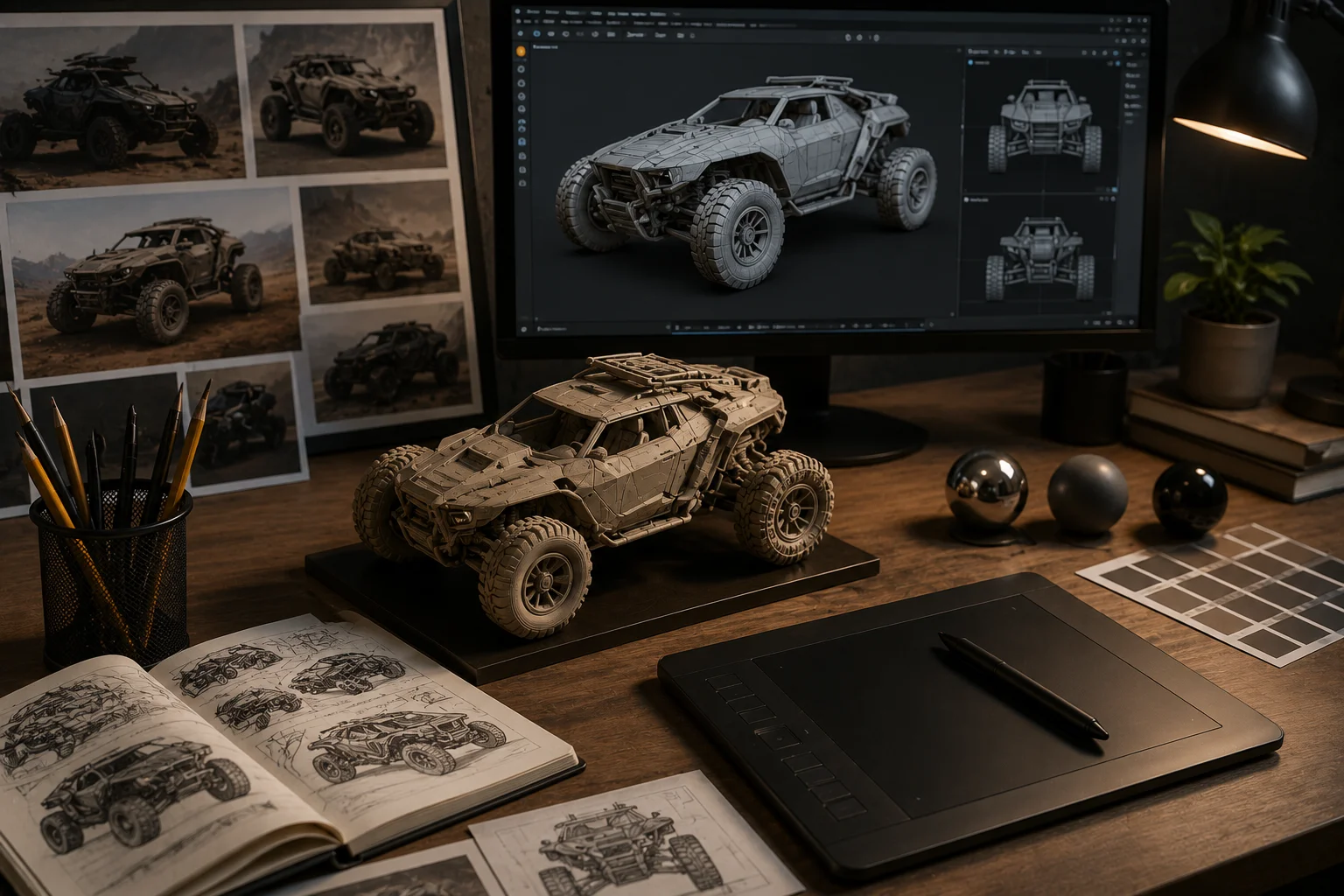
Develop hard-surface modeling skills and create production-ready vehicles with detailed surfaces and realistic materials.
Hair Art
Specialize in grooming, hair cards, strand creation, and modern character hair workflows.

Quality Always Beats Quantity
Many students believe adding more projects will improve their
portfolio. In reality, five exceptional projects will always
outperform twenty average ones.
When selecting projects, ask yourself:
- Does this project represent my current skill level?
- Would I be proud to show this to a studio recruiter?
- Does it demonstrate strong artistic fundamentals?
- Is the presentation professional?
If the answer is no, consider removing or improving the work before publishing it.
Showcase Your Process
Recruiters do not only want to see finished renders. They also want to understand how you think and solve problems during production. Include process breakdowns such as:
- References and mood boards
- Blockout stages
- High-poly models
- Low-poly optimization
- UV layouts
- Texture creation
- Lighting setups
- Final renders
Demonstrating your workflow helps studios assess technical expertise, problem-solving skills, and production awareness.

Presentation Is As Important
As The Artwork.
Even strong artwork can appear weak if presented poorly.
Your portfolio should maintain:
- Consistent image quality
- Clean layouts
- Proper lighting
- Organized project pages
- Easy navigation
Use neutral backgrounds where appropriate and ensure that renders clearly showcase forms, materials, and details. Think of every project page as a professional presentation rather than a simple image gallery.
Ready To Start Your Game Art Journey?
Build industry-ready skills through mentorship, practical learning, and portfolio-focused training.
Explore Programs



 Partnership
 Explore All Programmes

